Bridging the Data Divide: Unifying CAD, Radio, and 911
How the Data Divide Happens Most public safety agencies did not choose to have their CAD, radio, and 911 recording systems live in separate silos. It happened gradually, as each

How the Data Divide Happens Most public safety agencies did not choose to have their CAD, radio, and 911 recording systems live in separate silos. It happened gradually, as each
It Is Not Just About the Hardware When agencies shop for a recording system, most of the attention goes to the hardware and software: storage capacity, integration options, and user

How the Data Divide Happens Most public safety agencies did not choose to have their live call monitoring, CAD, radio, and 911 recording systems operate in separate silos. It happened

Why Repeated Interviews Cause Harm For a child who has experienced abuse, describing it once is hard enough. Describing it again to a different adult, in a different room, and

The Challenge of Disconnected Recordings A single complex incident can generate an enormous amount of recorded material: radio traffic between units, multiple 911 calls, dispatcher screen activity, and CAD entries
Recording Is Not the Same as Admissible Recording an interaction is only the first step. Whether that recording ever makes it before a jury depends on a separate, and often
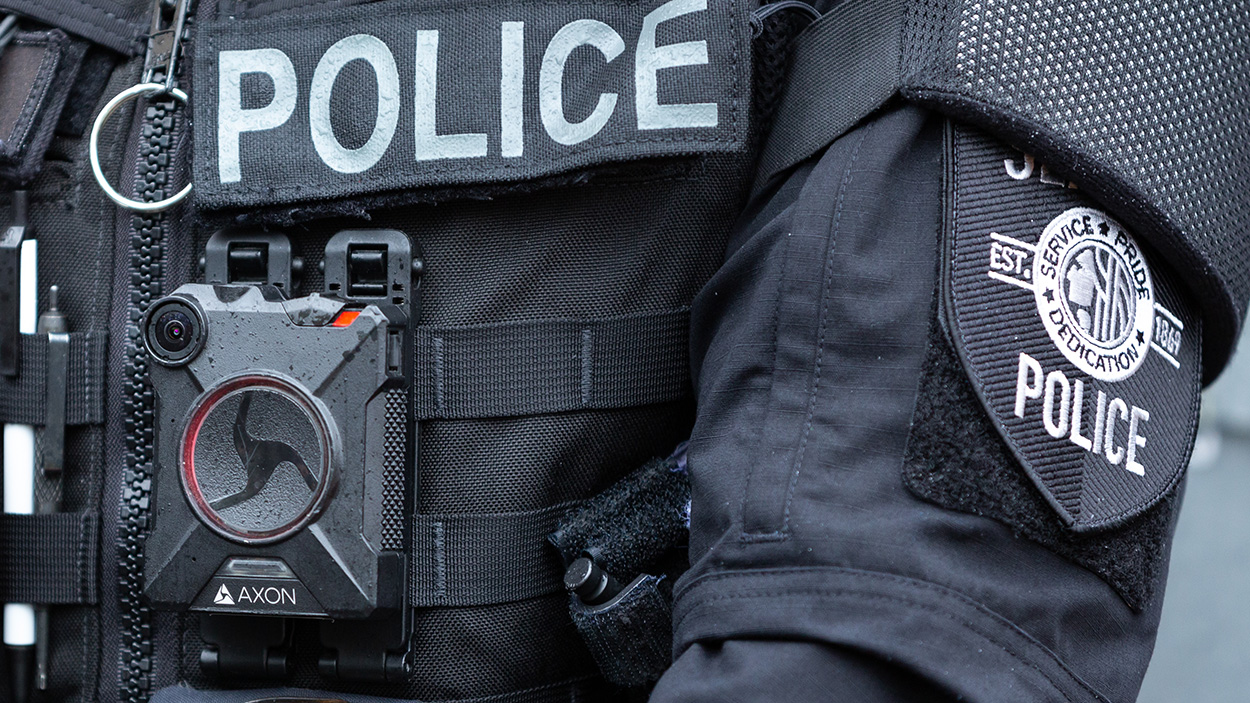
In public safety, every second is a matter of record, and absolute transparency is no longer optional. Today’s emergency communications centers face intense scrutiny from the public, regulatory bodies, and

Every day, your organization captures a staggering amount of data through phone calls, radio traffic, and digital interactions. Historically, managing this data followed a strict, passive routine: capture the audio,

When a child or vulnerable victim steps into an interview room, the clock is ticking against their emotional endurance. In modern advocacy, the “single-session mandate” is an absolute rule of

In the fast-paced world of emergency communications, success is measured in seconds. Public Safety Answering Points (PSAPs) constantly face pressure to answer calls faster, dispatch field units more accurately, and